The floristry industry is blooming with innovation in 2025—are you ready to stand out? As the flower shop florist, you are at the heart of this vibrant evolution, facing new customer preferences and emerging technology every day.
This guide is designed to empower you with expert strategies for success. Inside, you will discover the latest floristry trends, efficient sourcing methods, modern design techniques, and customer service insights tailored for the flower shop florist.
Explore actionable advice on marketing, sustainability, and elevating your business. Read on for a comprehensive guide packed with expert tips to help you thrive in the year ahead.
Top Floristry Trends for 2025
The world of floristry is set for exciting changes in 2025. For the flower shop florist, keeping up with emerging trends is key to staying relevant and competitive. Let us explore the top movements shaping the industry this year, from local sourcing to innovative designs.
Embracing Seasonal and Local Flowers
Demand for locally sourced and seasonal flowers is at an all-time high. Customers increasingly ask the flower shop florist for blooms that reflect the time of year and support British growers. Choosing local flowers such as peonies in spring or dahlias in autumn results in fresher arrangements and a smaller carbon footprint.
A recent DEFRA report revealed UK flower imports fell by 8 percent in 2024. This shift allows shops to promote their role in supporting local floriculture, building a reputation for quality and sustainability.
Benefits of Local Sourcing:
| Benefit | Impact |
|---|---|
| Fresher stock | Longer-lasting arrangements |
| Lower transport miles | Reduced environmental impact |
| Support local growers | Strengthened community ties |
Positioning the flower shop florist as a champion of local blooms is a powerful selling point.
Personalisation and Bespoke Arrangements
Personalisation is redefining the customer experience. The flower shop florist now creates custom bouquets tailored to recipient preferences and event themes. Whether it is a colour-themed bouquet or a unique combination of flowers, customers value this thoughtful touch.
Data from Mintel in 2024 shows that 60 percent of UK shoppers prefer personalised gifts. Services such as Florist Choice Custom Bouquets are gaining popularity, allowing florists to showcase their creativity and build loyalty.
Bespoke arrangements foster repeat business. Offering consultations and flexible design options positions the flower shop florist as a trusted partner for all occasions.
Technology Integration in Floristry
Modern florists rely on technology to streamline operations and enhance customer service. The flower shop florist benefits from online ordering systems, live inventory management, and digital POS solutions.
Virtual consultations are also on the rise, making it easier to connect with clients remotely. Features such as same-day and next-day delivery tracking provide transparency and reliability.
A Direct2Florist survey found that 75 percent of flower shops now offer online ordering. Embracing technology is essential for the flower shop florist to remain competitive and meet evolving customer expectations.
Sustainable and Eco-Friendly Practices
Sustainability is no longer optional. The flower shop florist is adopting recyclable materials, biodegradable wraps, and reusable vases to reduce waste. Sourcing from sustainable growers further enhances a shop’s green credentials.
Seventy percent of UK florists plan to increase sustainability efforts in 2025. Eco-friendly packaging and responsible sourcing are now key differentiators for customers.
Examples include using paper wraps instead of cellophane and offering vase return schemes. By prioritising sustainability, the flower shop florist appeals to environmentally conscious buyers and stands out in a crowded market.
Floral Design Innovations
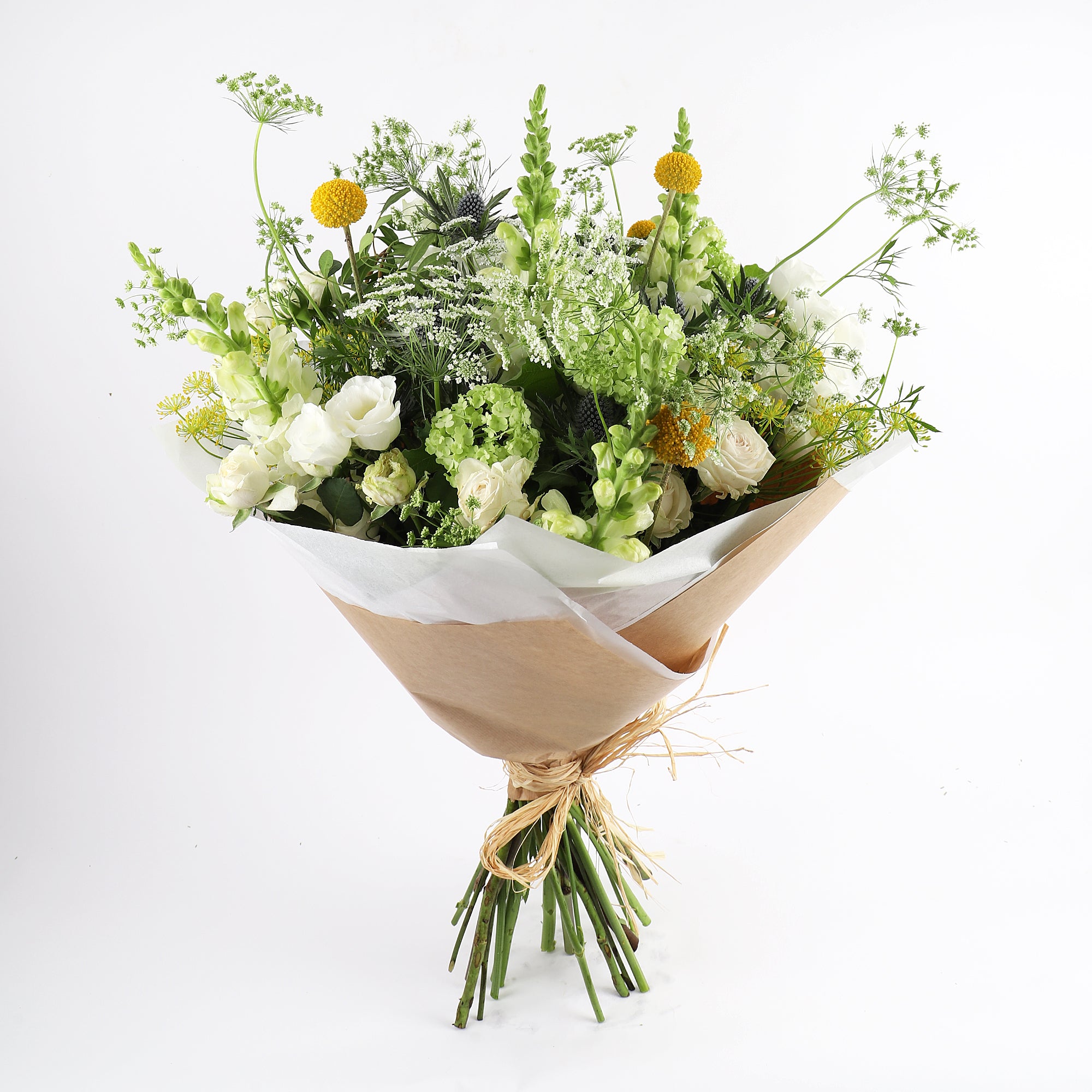
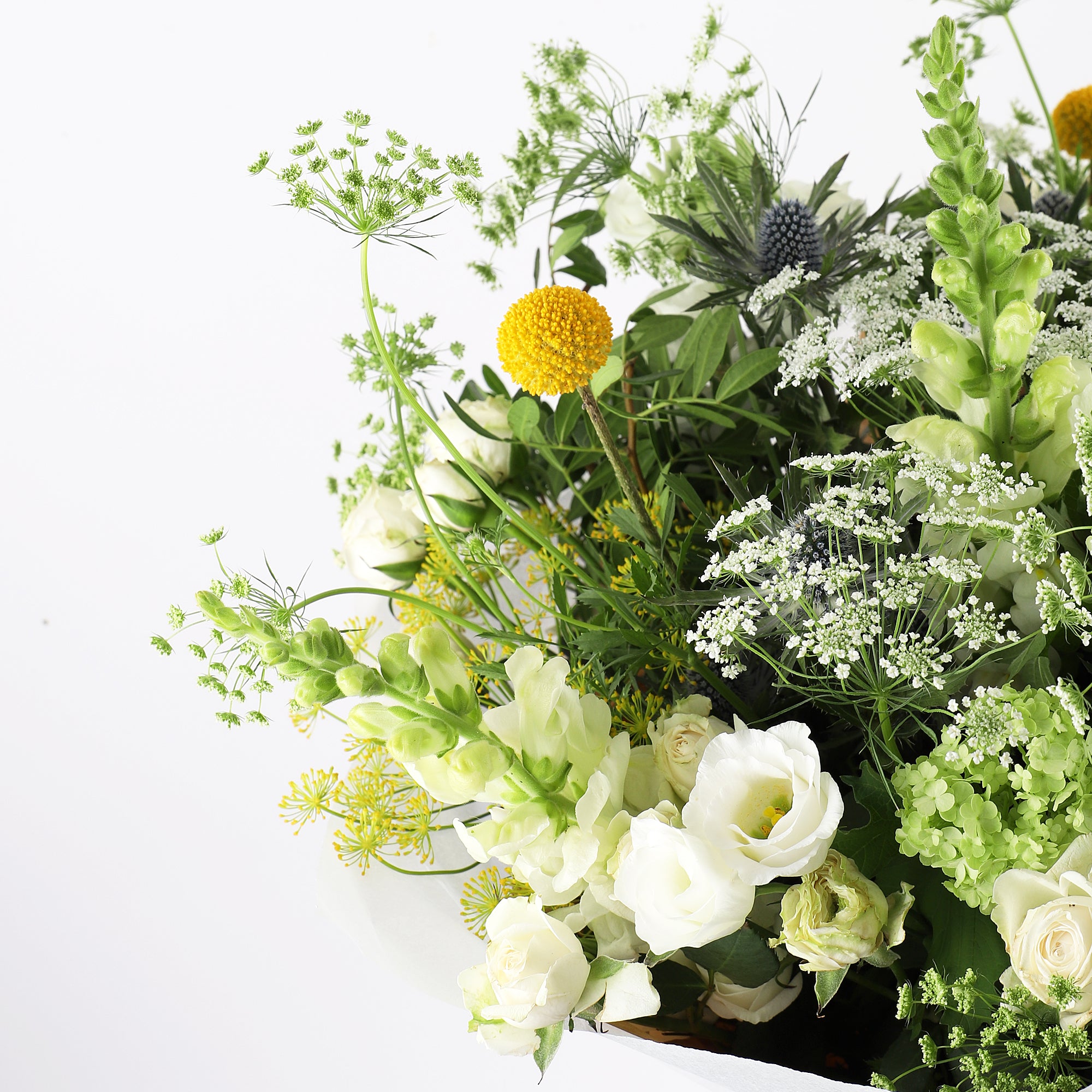
Design trends for 2025 focus on creativity and uniqueness. The flower shop florist is experimenting with wildflower bouquets, mono-botanical arrangements, and the inclusion of dried or preserved flowers. Incorporating non-traditional elements such as grasses and seed pods adds texture and visual interest.
Mixed textural arrangements are especially popular for modern homes. Creative designs help the flower shop florist capture the attention of trend-conscious customers and differentiate their offerings.
For more inspiration on the latest trends, explore the Floral Trends Forecast 2025, which highlights key styles and colour palettes shaping the industry this year.
Sourcing and Selecting the Best Flowers
Selecting the finest flowers is at the heart of every successful flower shop florist. This process requires thoughtful supplier partnerships, careful quality checks, efficient inventory management, and a keen eye for market trends. By mastering these areas, the flower shop florist can ensure every bouquet delights customers and enhances the shop’s reputation.
Building Relationships with Suppliers
Strong supplier relationships are the foundation for consistent quality and reliable service. The flower shop florist should cultivate partnerships with both local and international growers. Regular communication is essential for securing access to seasonal exclusives and negotiating favourable terms.
Consider visiting suppliers in person when possible. Building trust can also mean early access to unique varieties. For more insights on running a top-tier flower shop florist business, consult resources such as Best Florist Practices in London.
Evaluating Flower Quality and Freshness
Quality control is crucial for the flower shop florist. Always inspect stems for firmness, vibrant petals, and the absence of blemishes. Conduct checks as soon as deliveries arrive, rejecting any flowers that do not meet your standards.
Implement a checklist for each batch. Look for signs like wilting or browning, which can affect arrangement longevity. Consistent attention to detail ensures the flower shop florist offers only the freshest blooms, maintaining customer satisfaction and trust.
Managing Inventory and Reducing Waste
Efficient inventory management helps the flower shop florist minimise losses and maximise profits. Track popular varieties and stock levels daily. Implement the First In, First Out (FIFO) system to ensure older flowers are used first.
Rotate stock regularly and monitor sales trends. Reducing waste not only benefits the bottom line but also supports sustainability goals. By staying organised, the flower shop florist can maintain a well-stocked, profitable inventory.
Navigating Price Fluctuations and Seasonality
The flower shop florist must keep a close eye on market trends and seasonal changes. Flower prices often spike around holidays such as Valentine’s Day or Mother’s Day. Pre-ordering popular varieties in advance can help secure better prices and availability.
Adjust pricing for rare or out-of-season blooms to reflect their scarcity. Understanding when to stock up and when to scale back protects the flower shop florist from unexpected costs and supply shortages.
Sourcing Unique and Luxury Blooms
Offering exclusive and luxury flowers can set the flower shop florist apart from competitors. Seek out rare varieties like orchids, peonies, or exotic imports to create premium arrangements for discerning clients.
Develop relationships with specialty growers or importers to access these blooms. Highlighting unique offerings in your shop attracts high-end customers and increases profit margins. The flower shop florist who curates a distinctive selection will always capture attention.
Mastering Floral Design and Arrangement Techniques
Achieving excellence as the flower shop florist in 2025 means mastering both the fundamentals and the latest techniques in floral design. Success depends not only on artistic flair but also on practical expertise, the right equipment, and a commitment to continuous learning. Explore these essentials to elevate every arrangement in your shop.
Essential Tools and Materials for Florists
Every successful flower shop florist relies on a curated set of essential tools. High-quality floral scissors, ergonomic shears, floral tape, wire, foam, and a variety of vases form the backbone of any design station. Investing in superior tools, such as non-stick blades and cushioned handles, minimises fatigue and boosts creativity.
When stocking your workspace, consider the pros and cons of budget versus premium options. While affordable tools can suffice for beginners, professionals often benefit from equipment designed for durability and comfort. A comprehensive toolkit also includes buckets for conditioning stems, eco-friendly wraps, and water tubes for transport.
Choosing the right materials ensures each arrangement is crafted to perfection. The flower shop florist who selects tools with care lays the groundwork for eye-catching, long-lasting creations.
Step-by-Step Guide to Creating Stunning Bouquets
The flower shop florist’s process for building a bouquet starts with selecting the freshest stems, chosen for their colour, texture, and suitability for the occasion. Begin by stripping leaves below the waterline and trimming stems at an angle to maximise hydration. Lay out your materials in advance for a seamless workflow.
Arrange focal flowers first, then layer supporting blooms and foliage to create depth and balance. Rotate the bouquet as you work, allowing for even distribution and a harmonious shape. Secure the stems with floral tape or twine, ensuring a tight grip without damaging the flowers.
Finishing touches, such as decorative ribbon or a protective wrap, enhance the presentation. The flower shop florist should always check the bouquet from multiple angles before handing it to a client, ensuring it meets the highest standards.
Arrangement Styles for Every Occasion
The flower shop florist must offer a versatile range of arrangements to suit every customer need. Popular styles include:
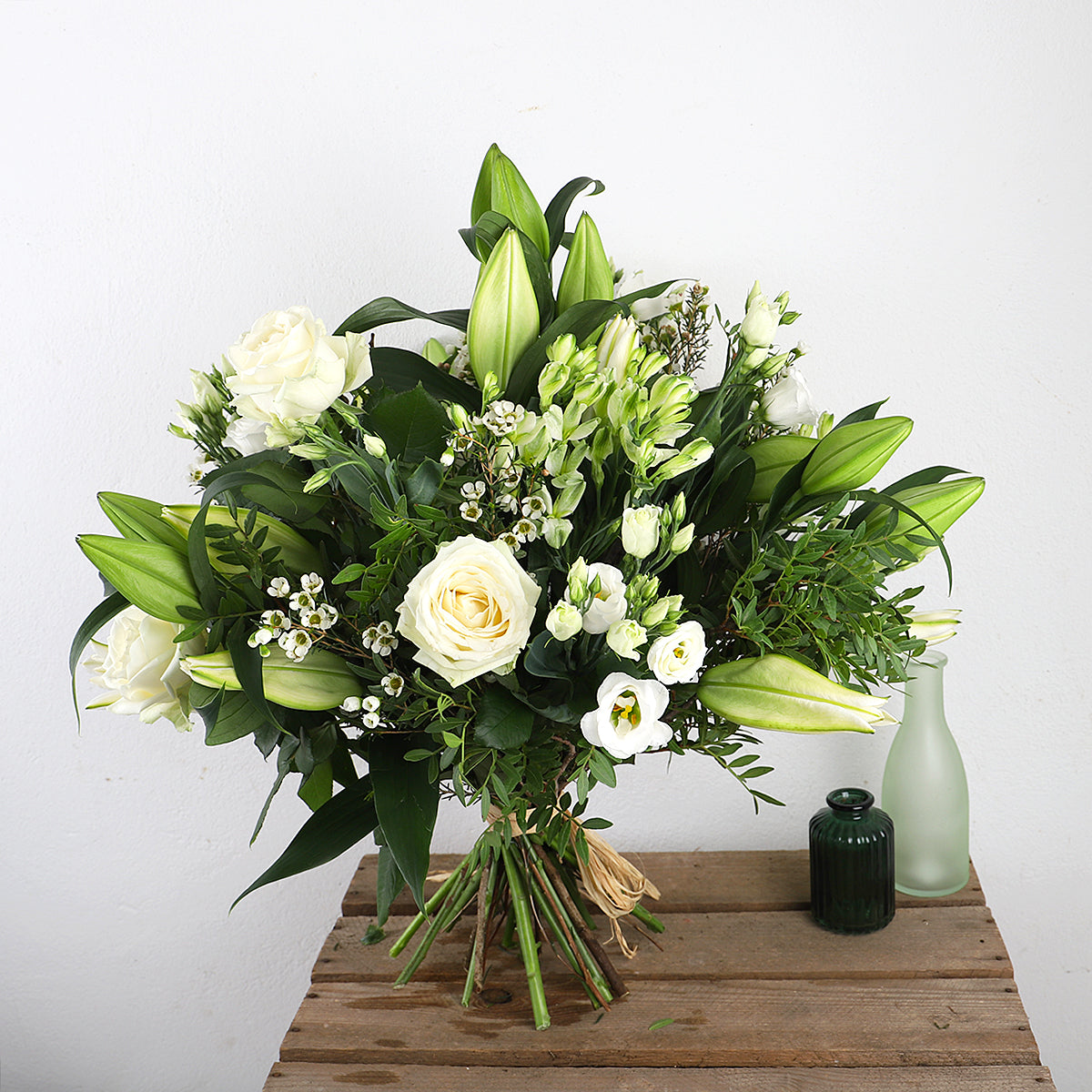
- Hand-tied bouquets for birthdays and anniversaries
- Vase arrangements for corporate gifts and home décor
- Basket designs for celebrations or get-well wishes
- Wreaths for sympathy and remembrance
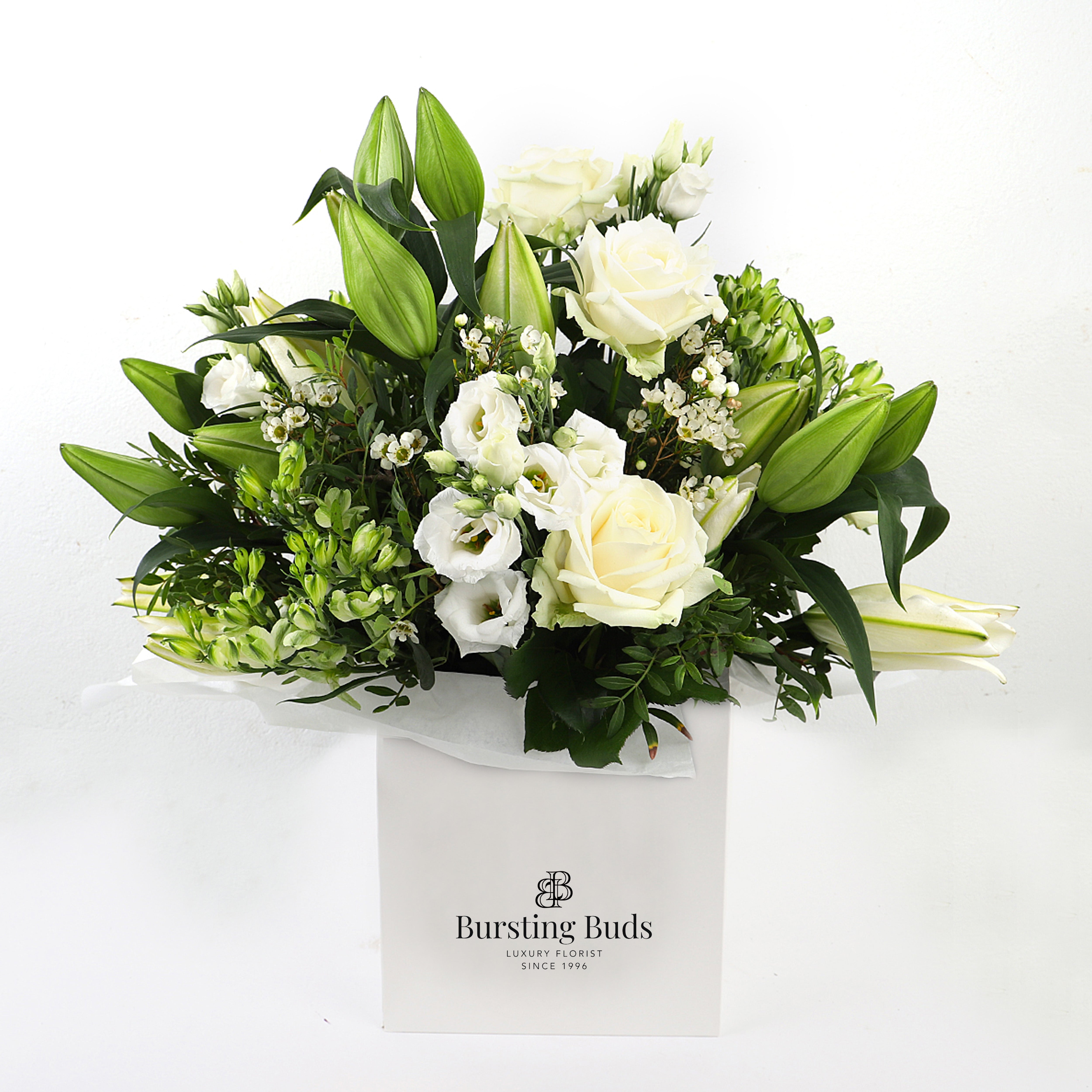
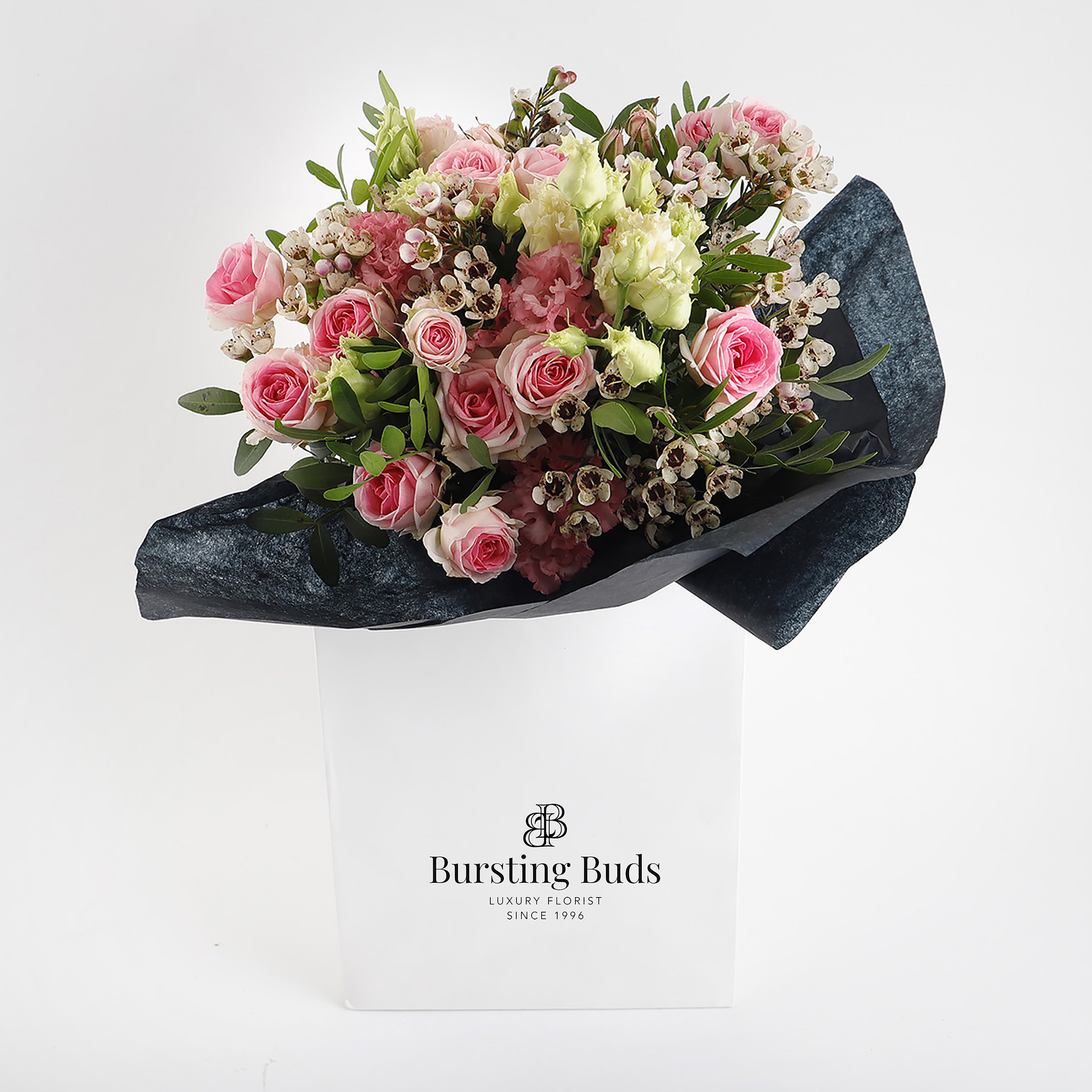
- Hat box arrangements for a modern twist
Matching the arrangement style to the occasion demonstrates professionalism and attentiveness. For example, wreaths convey comfort at funerals, while vibrant baskets brighten festive events. By mastering multiple arrangement types, the flower shop florist can cater to a diverse and loyal clientele.
| Arrangement Type | Occasion | Key Features |
|---|---|---|
| Hand-tied | Birthdays | Casual, easy to carry |
| Vase | Corporate, Home | Elegant, long-lasting |
| Basket | Celebrations | Full, decorative, portable |
| Wreath | Sympathy, Events | Circular, symbolic |
| Hat Box | Modern Gifting | Trendy, compact, stylish |
Care and Longevity Tips for Arrangements
Ensuring longevity is a hallmark of the flower shop florist’s commitment to quality. Teach customers to trim stems every two days, refresh water regularly, and use flower food for optimal hydration. Place arrangements away from heat sources, direct sunlight, and fruit to prevent premature wilting.
Providing care cards with each bouquet adds value and reinforces your expertise. For more in-depth advice, direct customers to the Florist Care and Longevity Guide, which offers expert insights tailored to every arrangement type.
The flower shop florist who prioritises education builds trust and encourages repeat business. Small touches, such as including a sachet of flower food, can extend vase life by several days and delight your clients.
Incorporating Trends into Traditional Designs
Staying relevant means integrating new trends while respecting classic techniques. The flower shop florist can blend dried flowers, seed pods, or grasses into fresh arrangements for a contemporary look. Experiment with mono-botanical bouquets or wildflower-inspired designs to attract trend-conscious customers.
Consider colour palettes forecasted for 2025, such as muted pastels or bold, saturated hues. Use unconventional elements sparingly to enhance, not overshadow, traditional beauty. This approach ensures your arrangements appeal to all generations and keep your shop at the forefront of the industry.
By consistently reinventing your offering, the flower shop florist not only stands out in a competitive market but also inspires loyalty among both new and returning clients.
Elevating Customer Experience in the Flower Shop
Delighting customers is at the heart of success for the flower shop florist. In a competitive market, exceptional experiences set your business apart and nurture loyalty. Explore these strategies to create memorable moments for every visitor.
Creating a Welcoming In-Store Atmosphere
First impressions count. The flower shop florist should design a space that feels inviting and vibrant. Consider using natural light, gentle music, and the subtle scent of fresh blooms to create a sensory experience.
Display best sellers and seasonal specials near the entrance. Interactive floral displays encourage customers to engage with products. According to Retail Gazette, 80% of shoppers say ambiance influences their decision to return.
For a comprehensive look at how to enhance your customer experience, see the Flower Shop Services Overview, which details a range of offerings that can set your shop apart.
Personalised Service and Consultations
Personalisation is a powerful tool for the flower shop florist. Offer one-on-one consultations for weddings, events, or special occasions. Take note of customer preferences, floral allergies, and upcoming dates.
Remembering birthdays or anniversaries builds rapport and encourages repeat visits. Keeping records of past purchases allows the flower shop florist to make tailored recommendations, making every customer feel valued and understood.
Efficient Ordering and Delivery Services
Efficiency is crucial for the flower shop florist in 2025. Streamline checkout processes, offer clear communication, and provide reliable delivery options to meet customer expectations.
Same-day and next-day delivery, along with real-time tracking, offer peace of mind. Data shows that 65% of customers choose shops with fast delivery. Make sure the flower shop florist takes extra care in packaging and presentation to ensure satisfaction on arrival.
Managing and Responding to Customer Feedback
Feedback is a valuable resource for the flower shop florist. Collect reviews through platforms like Trustpilot or Google. Listen carefully to both praise and complaints.
Respond promptly to negative reviews with empathy and practical solutions. Proactive communication not only resolves issues but also demonstrates the flower shop florist’s commitment to excellence. Positive feedback can be highlighted to attract new customers and reinforce your reputation.
Training Staff for Excellence
Continuous staff development is essential for the flower shop florist. Invest in regular training sessions covering floristry skills, product knowledge, and customer service.
Role-playing scenarios help staff handle challenging situations with confidence. Workshops on emerging trends keep the team up to date. A well-trained team ensures that the flower shop florist consistently delivers outstanding service, fostering trust and loyalty among customers.
Marketing and Growing Your Flower Shop in 2025
Standing out as the flower shop florist in 2025 requires a strategic approach to marketing and business growth. With evolving consumer habits and digital advancements, florists must employ a blend of online and offline tactics to remain competitive and relevant in the marketplace.
Building a Strong Online Presence
A robust online presence is essential for the flower shop florist looking to attract and retain customers. Ensure your website is user-friendly, mobile-optimised, and features up-to-date product galleries with clear images.
Highlight best sellers, seasonal collections, and real-time availability. Implementing SEO best practices will help the flower shop florist appear in local search results, driving foot traffic and online orders. For inspiration on trending designs and colour palettes, review resources like Floral Industry Trends 2025.
Regularly update your site with blog posts, customer testimonials, and FAQs. This builds trust and positions your shop as an authority in the floristry industry.
Leveraging Social Media and Influencer Partnerships
Social media platforms such as Instagram, Pinterest, and Facebook are powerful tools for the flower shop florist to showcase work and engage a wider audience. Share high-quality images and short videos of your arrangements, behind-the-scenes processes, and customer stories.
Collaborate with local influencers to extend your reach within the community. Use Instagram Reels to highlight bouquet creation or seasonal specials, encouraging followers to interact and share.
Monitor trends and adjust your content to stay relevant. Engaging storytelling and regular posting help foster a loyal online community that translates into in-store and online sales.
Running Effective Promotions and Loyalty Programmes
To drive new business and reward repeat customers, the flower shop florist should implement a variety of promotions and loyalty initiatives. Consider offering seasonal discounts, referral bonuses, and loyalty cards that incentivise repeat visits.
Sample promotional ideas:
- Free delivery for orders over a spending threshold
- Exclusive discounts for returning customers
- Birthday or anniversary perks for loyalty members
Track the effectiveness of each campaign and adjust offers based on customer response. Thoughtful promotions encourage ongoing engagement and help differentiate your shop from competitors.
Engaging with the Local Community
Active participation in the local community positions the flower shop florist as a trusted and valued business. Sponsor local events, offer in-store workshops, or partner with charities for flower donations and fundraising.
Host “flower arranging evenings” or collaborate with schools and businesses for educational sessions. These efforts foster goodwill, increase brand visibility, and create lasting relationships with residents.
Community engagement not only boosts reputation but also generates positive word-of-mouth, attracting new customers who value local connections and involvement.
Analysing Performance and Adapting Strategies
Regularly analysing sales data, customer feedback, and marketing campaign results is vital for the flower shop florist aiming for sustainable growth. Use simple tables or dashboards to track key metrics such as best-selling products, popular delivery times, and customer satisfaction scores.
| Metric | Monthly Goal | Actual |
|---|---|---|
| Website Visits | 2,000 | 2,350 |
| Repeat Customers | 30% | 28% |
| Average Order Value | £40 | £42 |
Adjust your product offerings, pricing, and promotions based on these insights. Responsive, data-driven decisions ensure the flower shop florist remains adaptable, competitive, and prepared for the evolving demands of 2025.
Implementing Sustainable Floristry Practices
Sustainability is now at the heart of the flower shop florist’s mission. Customers increasingly expect eco-conscious choices, making it essential for florists to adopt responsible practices. This section explores how the flower shop florist can lead in eco-friendly packaging, waste reduction, ethical sourcing, and customer education.
Eco-Friendly Packaging and Materials
The flower shop florist can make a significant impact by switching to biodegradable wraps, recycled ribbons, and paper-based packaging. These alternatives reduce plastic waste, aligning with the preferences of 60% of UK consumers who favour eco-friendly packaging.
Consider using kraft paper, jute string, and compostable bags for bouquets. Highlighting these choices in your shop can set you apart and build trust with environmentally minded clients. For more insights on eco-friendly materials and practical steps, review Sustainability in Floristry, which details how florists are adopting greener solutions.
By making these changes, the flower shop florist not only reduces environmental impact but also enhances the brand’s reputation.
Reducing Waste and Composting
Waste reduction is crucial for the flower shop florist. Donating unsold flowers to local charities brings joy to the community and prevents unnecessary waste. Composting trimmings and spent blooms is another effective method to minimise landfill contributions.
Implementing a daily waste management routine ensures that organic material is sorted for composting. This process not only lowers disposal costs but also supports community gardens and local initiatives. By embracing these steps, the flower shop florist demonstrates responsibility and care for both people and the planet.
Efficient waste practices can strengthen community ties and lower operational costs, creating a win-win scenario.
Sourcing Responsibly and Supporting Ethical Growers
The flower shop florist should prioritise sourcing from Fairtrade or certified ethical suppliers. This approach supports growers who use sustainable farming methods and ensure fair working conditions. Highlighting these partnerships in marketing materials builds transparency and earns customer trust.
Look for suppliers who offer certifications such as Fairtrade, Rainforest Alliance, or British-grown labels. For further guidance on responsible sourcing, the Sustainable Floristry Network offers valuable resources for florists committed to ethical practices.
By choosing ethical growers, the flower shop florist can make a positive impact on both the environment and the wider supply chain.
Educating Customers on Sustainable Choices
Educating customers is vital for the flower shop florist aiming to promote sustainability. Offer information on eco-friendly bouquet care, packaging options, and the benefits of local flowers. Simple initiatives like care cards, in-store signage, or workshops can inspire clients to make greener choices.
Consider hosting events focused on sustainable flower arranging or composting techniques. Sharing knowledge empowers customers and reinforces your shop’s commitment to the environment.
Informed customers are more likely to request sustainable options, helping the flower shop florist to build a loyal, eco-conscious clientele.