Floral arrangements have become an essential element in 2026’s celebrations and everyday living, transforming spaces and moods alike. Whether you wish to elevate your home or impress clients, mastering florist flower arrangements is more relevant than ever. This expert guide is designed to help you create stunning displays with confidence, whether for personal enjoyment or professional use. You will discover the fundamentals of flower selection, step-by-step arrangement methods, trend forecasts, and care strategies. With practical advice and insights from industry leaders, you will be inspired to craft arrangements that truly stand out this year.
Understanding the fundamentals of flower arrangements
Creating florist flower arrangements at home or professionally requires more than just a keen eye for beauty. In 2026, a florist-quality arrangement is defined by its artistry, structure, and ability to evoke emotion. This distinction matters because modern lifestyles and celebrations increasingly demand memorable, sustainable, and visually impactful designs.
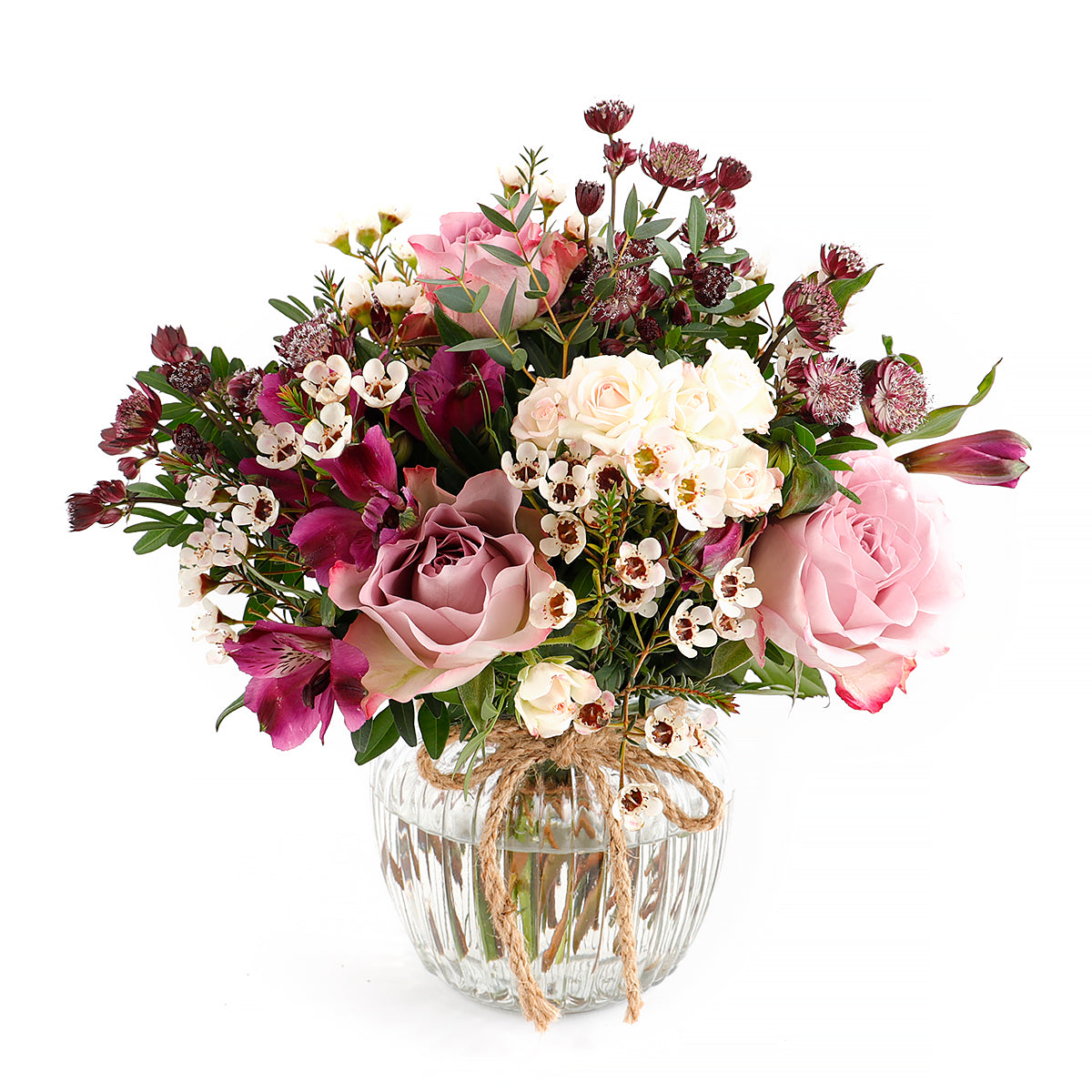
At the heart of all standout florist flower arrangements lie a few timeless principles. Balance ensures your creation feels stable and pleasing from every angle, while proportion keeps the elements in harmony with the vase or container. Harmony unites colours and textures, rhythm draws the eye through the arrangement, and a strong focal point provides visual interest. Mastering these concepts is essential for anyone aiming to achieve a professional result. For a deeper dive into these principles, the Best Floral Arrangements Guide offers valuable insights.
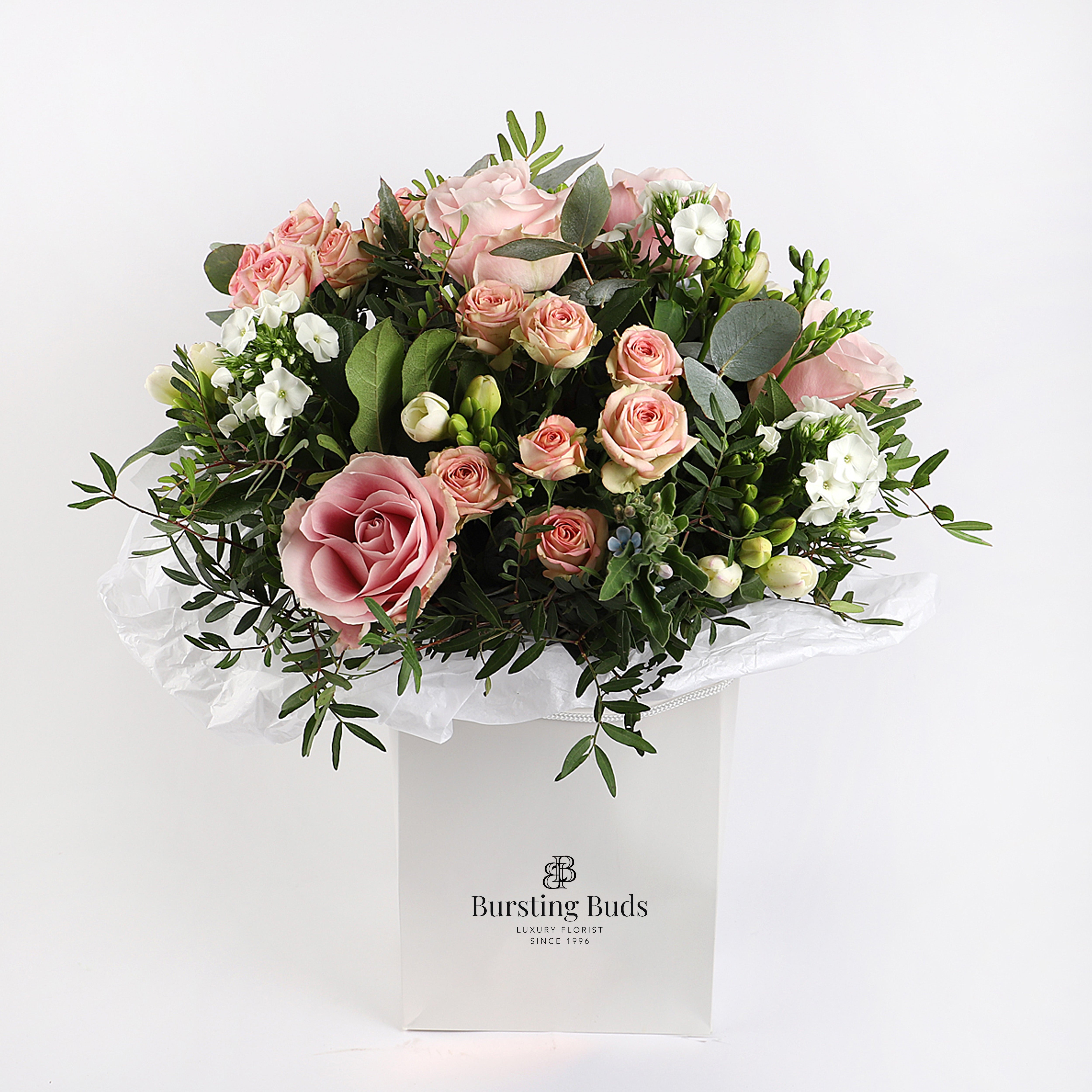
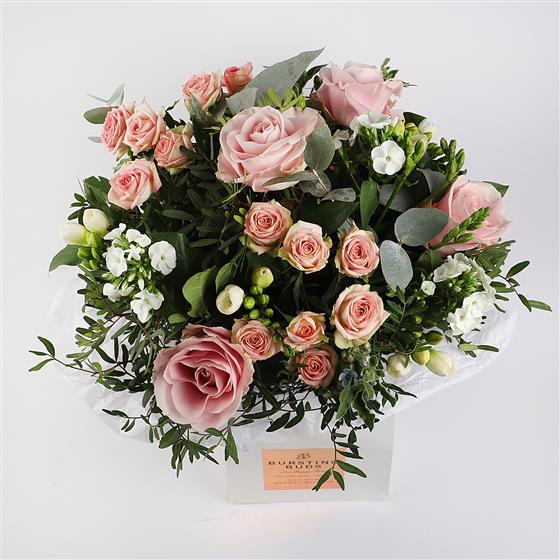
Colour theory is another cornerstone. In 2026, trending palettes include soothing pastels for calming spaces and bold monochromes for dramatic statements. The right colour choice can set the mood, complement the setting, or even follow seasonal trends. Florist flower arrangements often use a blend of complementary or analogous colours to maximise impact, creating a cohesive and modern look.
Selecting the right types of flowers is fundamental. Every arrangement typically includes:
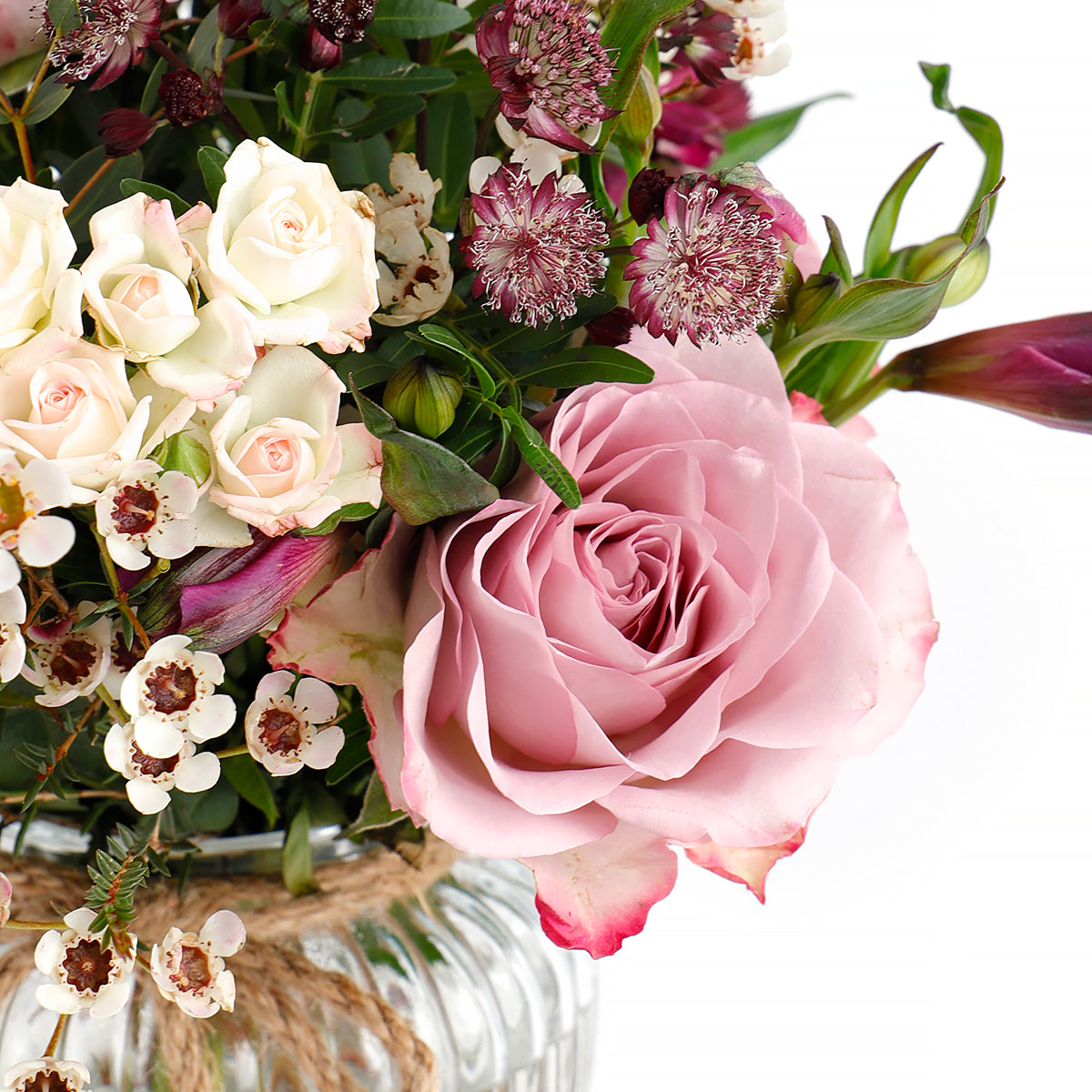
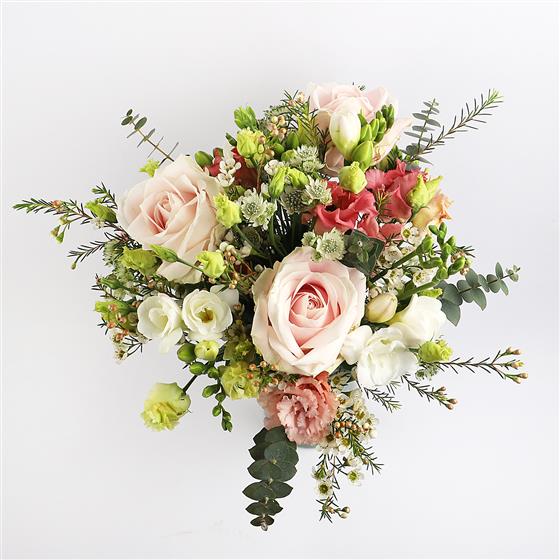
- Focal flowers: These are the stars, such as roses or peonies, that draw attention.
- Filler flowers: Examples include waxflower or statice, which add volume and subtle detail.
- Line flowers: Delphinium or snapdragons provide structure and guide the eye.
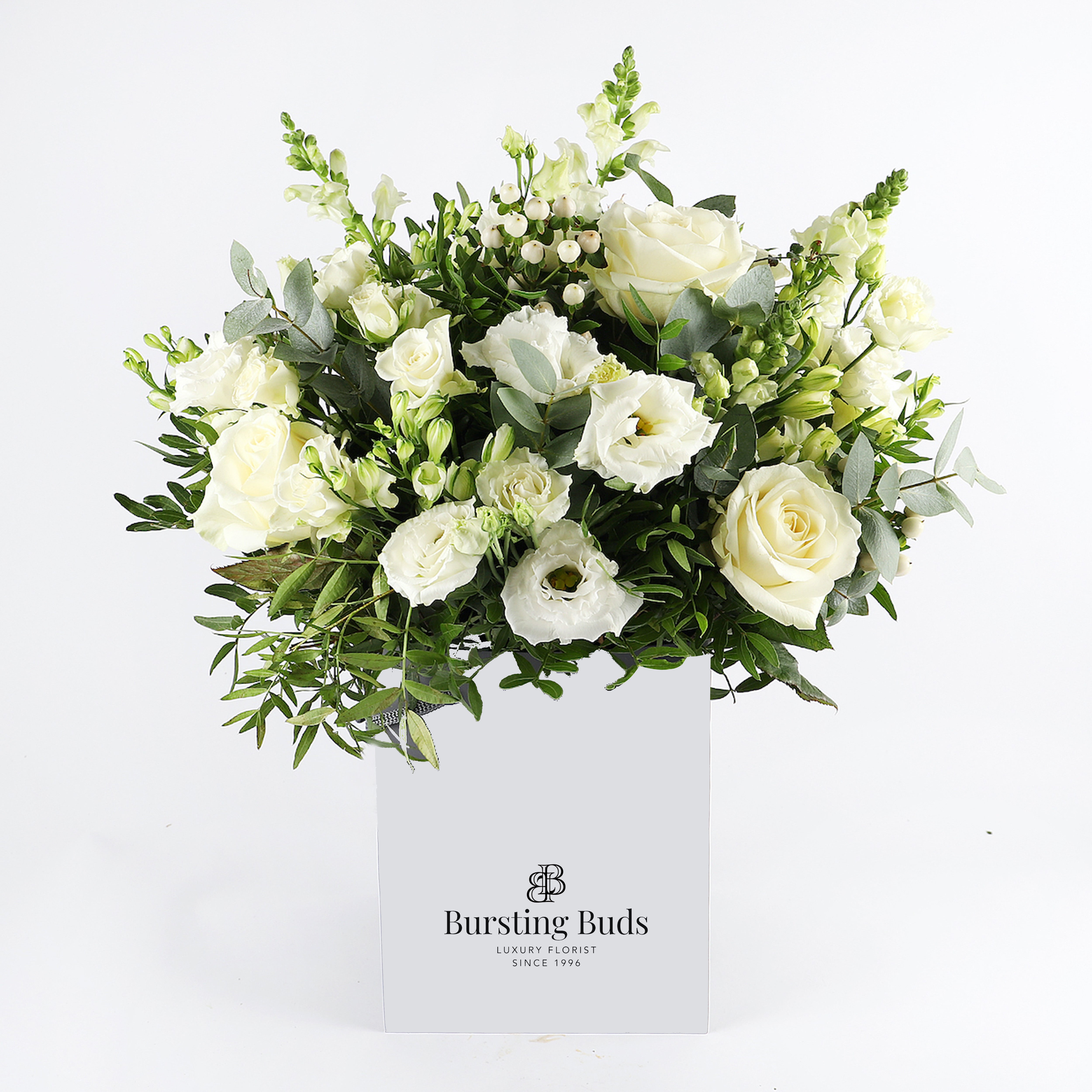
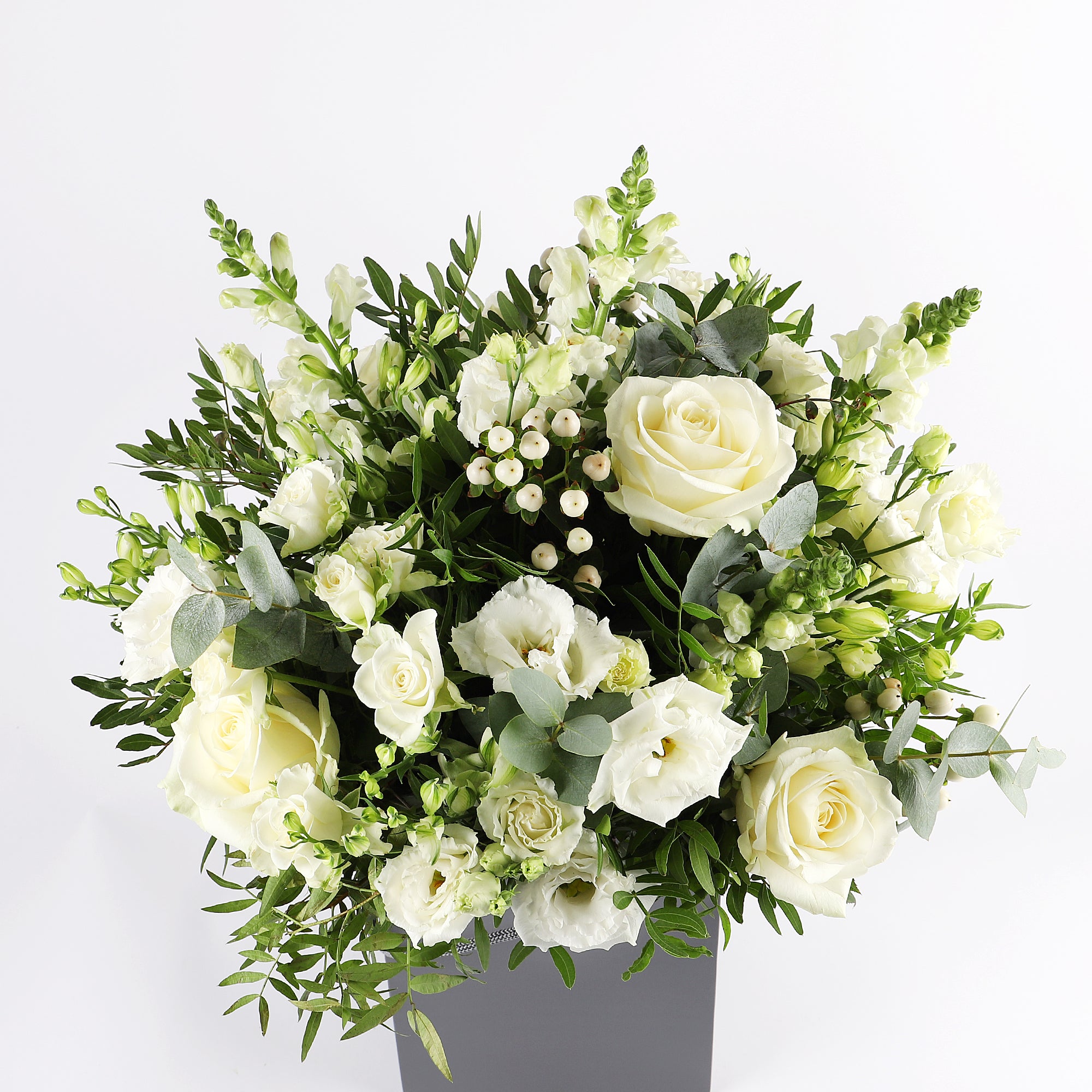
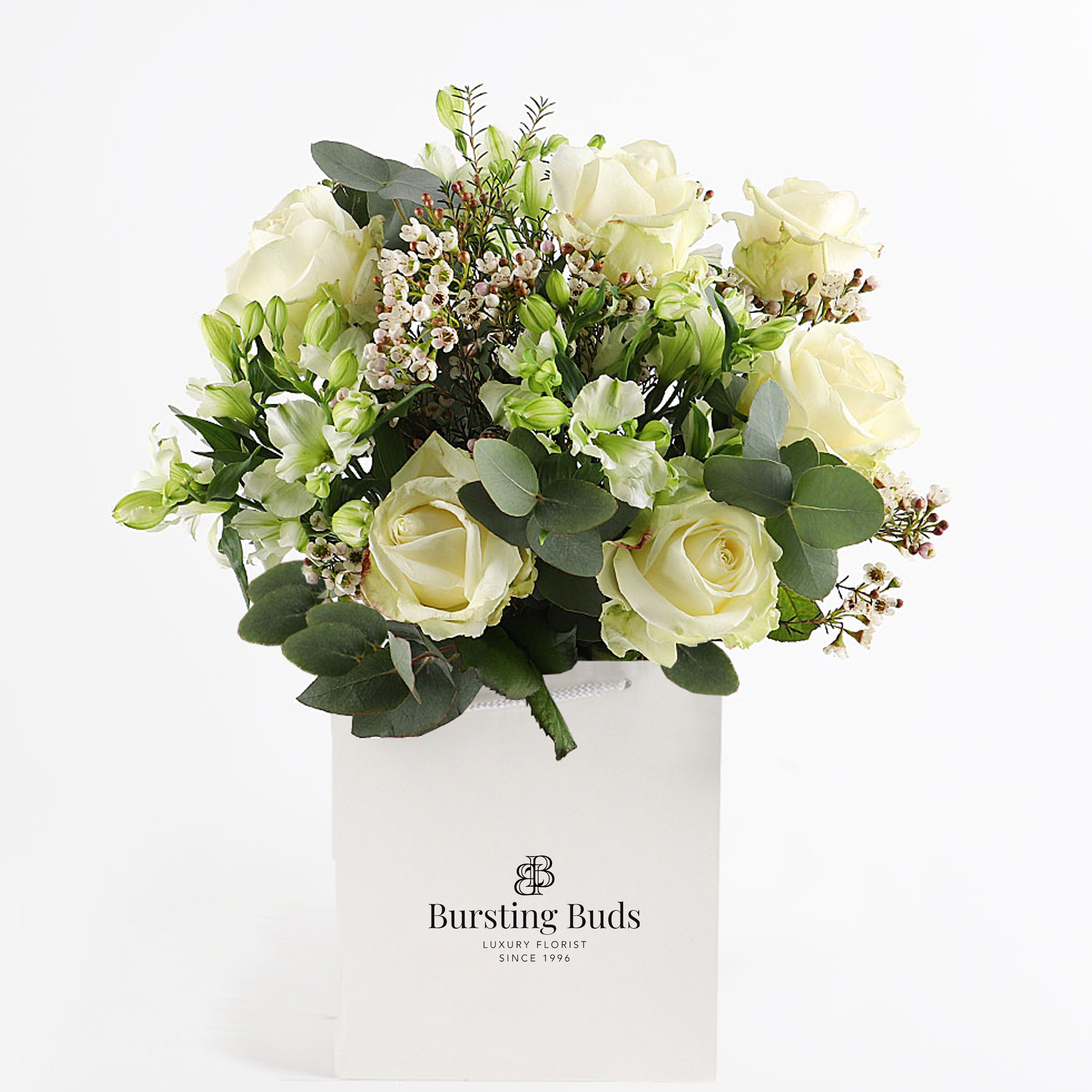
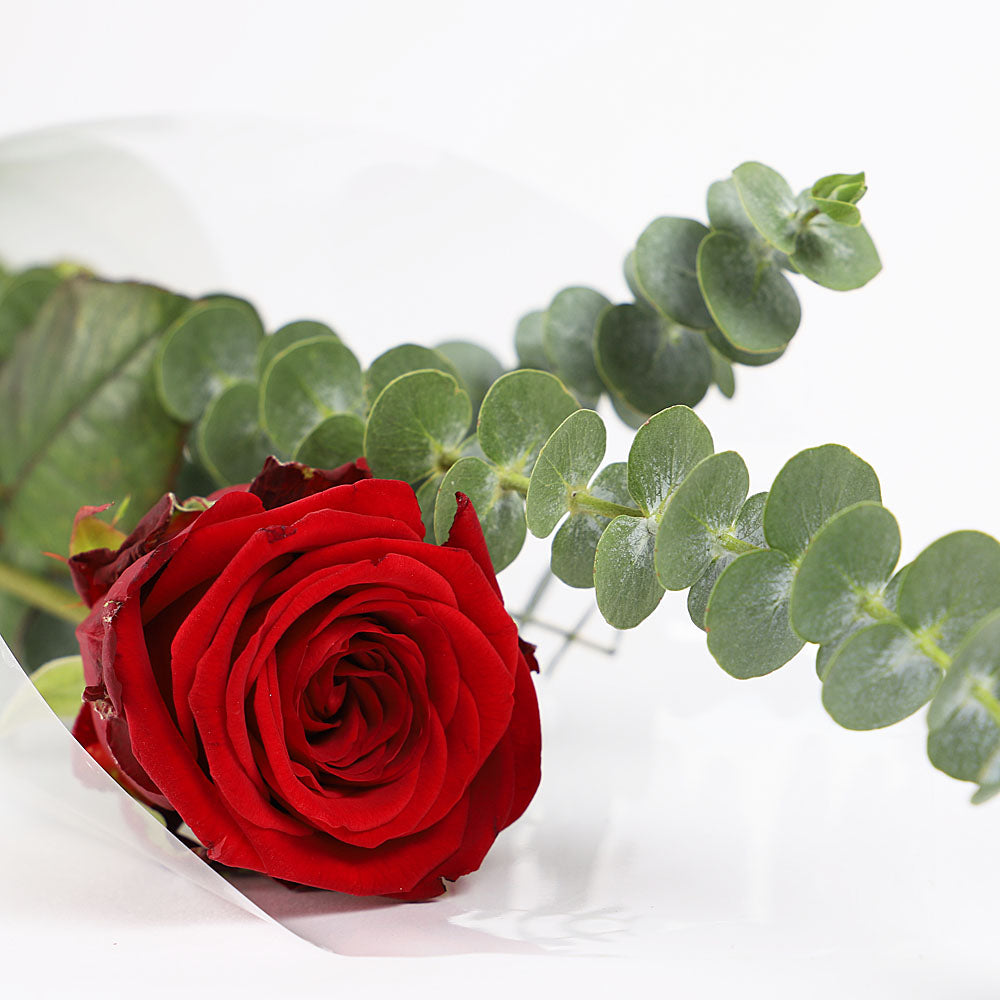
- Greenery: Eucalyptus or ruscus offer texture and a natural, lush feel.
The container plays a significant role in shaping florist flower arrangements. Choose a vase or vessel that complements the style—tall and narrow for linear designs, wide and shallow for sprawling, garden-inspired looks. The scale of your container should suit the room and the arrangement’s purpose, whether it’s a centrepiece or a casual accent.
Seasonality and sourcing are more influential than ever. In 2026, sustainability is a top priority, with many opting for locally grown, seasonal blooms over imported varieties. This not only reduces environmental impact but also ensures freshness and longevity. Recent industry reports reveal that 68% of consumers now prefer arrangements made with eco-friendly and locally sourced flowers, reflecting a shift towards conscious consumption.
Florist flower arrangements continue to evolve. Classic designs, such as tightly packed rose domes, remain popular for their timeless elegance. However, modern tastes are gravitating towards looser, more organic forms with unexpected botanical elements and asymmetrical lines. This evolution mirrors broader lifestyle changes, where individuality and sustainability are valued alongside tradition.
Understanding these fundamentals sets the foundation for creating impressive florist flower arrangements, whether you’re aiming for classic sophistication or a trend-forward display. With these principles in mind, anyone can craft arrangements that captivate and inspire.
Step-by-step guide to creating stunning flower arrangements
Creating florist flower arrangements at home or professionally involves more than simply placing blooms in a vase. This guide demystifies the process, empowering you to design captivating displays that echo the expertise of leading florists. Each step, from concept to finishing touch, ensures your arrangements are both visually impressive and long-lasting.
Planning your arrangement
Begin by identifying the purpose of your florist flower arrangements. Are you crafting a centrepiece for a spring wedding, a cheerful gift, or a statement for your living room? The occasion and recipient inform your choices and set the atmosphere.
Select a theme or colour scheme that reflects current trends or personal preference. For 2026, soft pastels and bold monochromes are in vogue, giving you creative scope whether you prefer subtlety or drama.
Choose flowers and foliage aligned with the season. Spring might inspire peonies and ranunculus, while autumn calls for dahlias and eucalyptus. Sourcing locally not only supports sustainability but also ensures peak freshness in your florist flower arrangements.
Consider the arrangement’s size and shape. Will it be tall and architectural, or low and lush? The setting—whether a dining table or event stage—determines the scale and style.
Prepare a checklist:
- Clean vase or container
- Sharp floral shears
- Fresh water
- Flower food
- Floral tape or foam (if needed)
- Ribbon or decorative accents
Budgeting is crucial. Shop local markets for value, or invest in premium blooms for special occasions. Always inspect flowers for freshness, ensuring petals are vibrant and stems are firm.
Preparing your flowers
Proper preparation extends the life of florist flower arrangements. Start by removing leaves and thorns below the waterline to prevent bacterial growth, which can quickly spoil your display.
Trim stems at a 45-degree angle using sharp shears. This increases the surface area for water uptake and helps flowers stay hydrated. Place freshly cut stems immediately into clean water.
Condition flowers by allowing them to rest in cool water for several hours before arranging. This helps blooms recover from transport stress and maximises their vitality within florist flower arrangements.
Handle delicate flowers, such as ranunculus or tulips, with care to avoid bruising. Use gentle pressure and avoid overcrowding stems during preparation.
Enhance longevity by adding flower food or a homemade solution (like a pinch of sugar and a drop of bleach) to the water. Always use clean containers to further reduce the risk of bacteria.
Assembling the arrangement
Begin your florist flower arrangements by building a solid foundation with greenery, such as eucalyptus or ruscus. This not only provides structure but also sets the shape and flow of the design.
Next, place your focal flowers—these are the stars of your display, like peonies or roses. Insert them at varying heights for natural movement and visual interest. Rotate the vase as you work, ensuring balance from every angle.
Add filler flowers, such as waxflower or statice, to weave depth and texture throughout the arrangement. Layering these elements creates rhythm and prevents a flat appearance in your florist flower arrangements.
For a modern spring bouquet, start with eucalyptus, then add peonies and ranunculus in clusters, finishing with airy accents. Secure stems with floral tape if needed, and check that each element is stable.
Balance symmetry with a touch of asymmetry for contemporary flair. Avoid common pitfalls like overcrowding or neglecting a focal point. For inspiration, explore the Florist Choice Arrangements Collection, which exemplifies expert techniques and harmonious design.
Remember, the choice of container influences the final look—choose clear glass for a minimalist vibe or a ceramic vase for a rustic feel. Always check water levels and top up as necessary.
Finishing and presenting your arrangement
Presentation elevates florist flower arrangements from beautiful to unforgettable. Style your display according to its environment—a dramatic centrepiece for events or an understated bouquet for home décor.
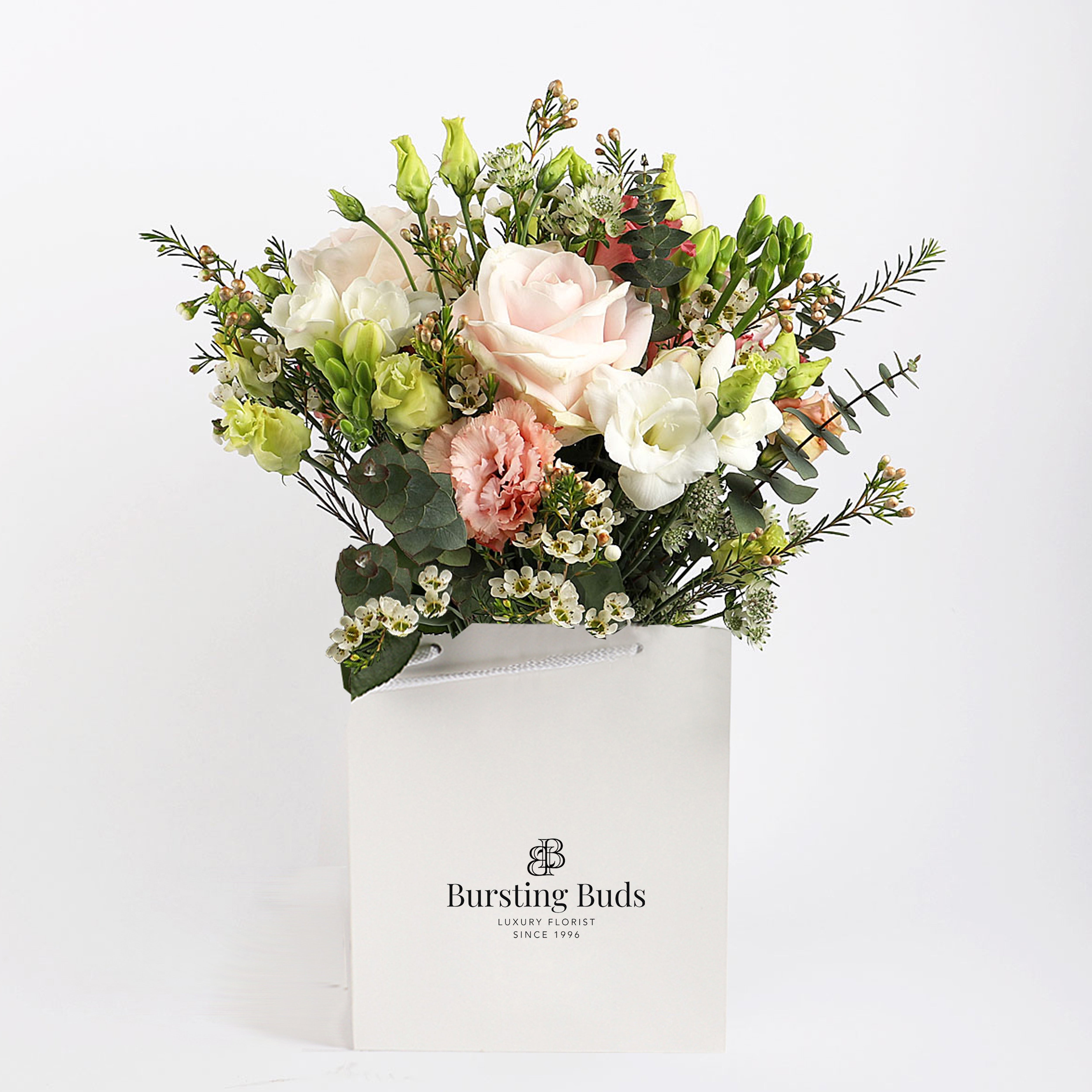
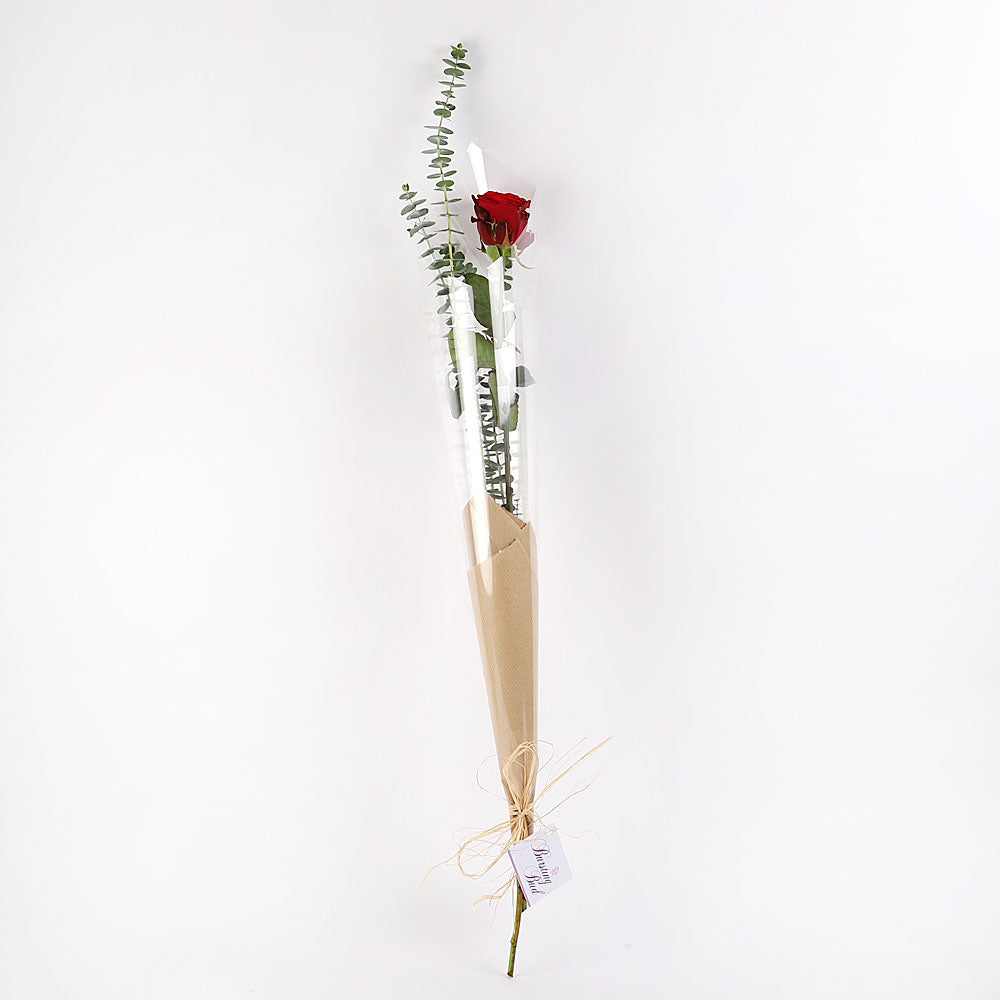
For gifting, wrap the base in kraft paper or biodegradable cellophane, tying with a silk ribbon or adding a handwritten tag. These personal touches show thoughtfulness and attention to detail.
Ensure stability during transport by securing the stems and supporting the arrangement within a sturdy box. For extra flair, tuck in ornaments or seasonal accents that complement the flower selection.
Take cues from leading florists, who often use contrasting textures and unexpected colour pops to make arrangements stand out. Place your florist flower arrangements in a location with indirect light and away from heat sources to prolong freshness.
With careful planning, meticulous preparation, and creative assembly, anyone can achieve florist-quality results that delight and impress.
Top flower arrangement trends for 2026
Keeping up with the latest trends in florist flower arrangements is vital for both enthusiasts and professionals aiming to create stunning displays. As we move into 2026, the floral industry is experiencing a dynamic shift. Influences from sustainability, technology, and global design movements are shaping the way arrangements are crafted and presented.
Sustainability leads the way
Eco-consciousness is now at the heart of florist flower arrangements. Consumers are increasingly seeking options that minimise environmental impact. This year, expect to see arrangements featuring reusable vases, biodegradable wraps, and a focus on locally grown flowers. Sourcing blooms from nearby growers not only reduces the carbon footprint but also ensures fresher, longer-lasting displays. According to recent industry reports, over 60 percent of UK customers now prefer sustainable floral choices, making this a trend with lasting impact.
Styles inspired by nature and culture
A major trend in 2026 is the embrace of organic, garden-inspired designs. Wild garden arrangements, overflowing with texture and movement, are gaining popularity. On the other end of the spectrum, minimalist Ikebana arrangements are making a strong statement, celebrating negative space and the beauty of simplicity. For those who love drama, bold maximalist bouquets bursting with colour and form are in demand. Dried flower mixes are also making waves, offering both longevity and a unique aesthetic.
Colours that capture the moment
Colour palettes for florist flower arrangements in 2026 reflect both calm and vibrancy. Digital lavender is emerging as a standout shade, bringing a sense of serenity and modernity. Earthy neutrals, such as muted taupes and soft greens, provide a subtle backdrop for bolder hues. Meanwhile, vibrant citrus tones like tangerine, lemon, and lime inject energy and optimism into arrangements. Designers are blending these shades to create visually striking bouquets that feel current yet timeless.
Unusual botanicals and custom creations
Florists are experimenting with unconventional materials to add intrigue to their designs. Expect to see more grasses, berries, and exotic foliage woven into arrangements, providing unexpected textures and shapes. Personalisation is also on the rise, with clients requesting bespoke florist flower arrangements tailored to individual tastes or specific events. This demand for customisation is supported by data showing a 35 percent increase in bespoke orders at leading UK floral studios over the past year.
Influences from events and technology
High-profile events and celebrity florists continue to set the tone for what’s trending. From red carpet galas to luxury weddings, signature arrangements often spark wider interest. In 2026, technology is playing a bigger role than ever before. Florists are now incorporating QR codes on their arrangements, linking recipients to care instructions or virtual workshops. This blend of tradition and innovation keeps florist flower arrangements relevant and engaging.
For a comprehensive overview of the year’s trends, including expert predictions and examples, visit 2026 Floral Arrangement Trends.
Looking ahead, the landscape of florist flower arrangements is set to remain vibrant and diverse. Sustainability, bold design choices, and technological enhancements promise to inspire both professionals and hobbyists to create memorable and meaningful floral displays.
Expert tips for long-lasting and impressive arrangements
Creating florist flower arrangements that last and impress is both an art and a science. Even the most stunning bouquet can fall short if it wilts prematurely or lacks visual harmony. By following proven care routines and design strategies, you can elevate your arrangements to a professional standard.
Maximising flower longevity
Extending the lifespan of florist flower arrangements begins with water management. Change the water every two days, using room temperature water for most blooms. Clean your vase thoroughly before each refill to keep bacteria at bay.
Use professional-grade flower food or natural alternatives like a pinch of sugar and a splash of vinegar. Both methods help nourish stems and prevent bacterial growth. Place arrangements away from direct sunlight, heating vents, and ripening fruit, since ethylene gas accelerates wilting.
Handle delicate stems with care. Re-trim stems at a 45-degree angle every few days to open up water channels. If you notice any drooping, try submerging the stem in tepid water for half an hour to revive it. Scientific studies show that peonies, roses, and lilies can last up to ten days with attentive care.
For a detailed guide on extending vase life and professional care methods, explore these Extending Vase Life Techniques. Regular attention ensures your florist flower arrangements stay vibrant and fragrant for longer.
Elevating visual impact
The secret to memorable florist flower arrangements lies in layering and texture. Start by building a foundation with greenery, then introduce focal flowers at varying heights for depth. Add in unexpected shapes, like twisting branches or feathery grasses, to create movement.
Utilise negative space to give each bloom room to shine. Modern aesthetics often favour a less-is-more approach, with careful placement to avoid crowding. Experiment with colour blocking or ombré effects for contemporary flair—think a gradual transition from soft pinks to bold corals.
Mixing textures, such as velvety roses with spiky eryngium or glossy eucalyptus, adds richness. A side-by-side comparison shows that expert-level arrangements use focal points and rhythm to guide the eye, transforming a simple bunch into a showpiece. With these techniques, your florist flower arrangements will captivate any audience.
Common mistakes to avoid
Even experienced florists can make errors. Overcrowding stems is a common pitfall, leading to poor water flow and a muddled design. Always establish a clear focal point to draw attention.
Neglecting water quality or skipping regular stem trims shortens the life of florist flower arrangements. Choosing the wrong vase or container can cause imbalance or instability. By steering clear of these mistakes and correcting them promptly, you ensure every arrangement stands out and lasts.
Choosing the right flowers for every occasion
Selecting the perfect blooms for each moment is at the heart of exceptional florist flower arrangements. Every occasion, from joyful celebrations to heartfelt tributes, calls for thoughtful choices that express meaning, style, and emotion. Understanding how to match flowers to the event ensures your arrangement leaves a lasting impression.
The language of flowers
Floriography, or the language of flowers, has shaped the art of gifting for centuries. Roses symbolise love, lilies evoke purity, and sunflowers bring cheer. Modern florist flower arrangements blend these traditional meanings with personal touches, allowing you to tailor each bouquet to your recipient’s personality and the message you wish to convey.
Flowers for every milestone
Weddings demand elegance and romance, with peonies, roses, and orchids leading the way. For the latest inspiration, explore 2026 Wedding Floral Design Trends, which spotlights trending palettes and sustainable choices. Anniversaries often feature red roses or tulips, while cheerful gerberas and irises are perfect for birthdays. Sympathy arrangements favour lilies and chrysanthemums, exuding respect and peace. Corporate events benefit from neutral greens, white blooms, or modern monochromes, ensuring florist flower arrangements suit professional settings.
Seasonal selections for year-round impact
Seasonality brings freshness and vibrancy to every design. Spring bursts with tulips, daffodils, and hyacinths, while summer highlights peonies, delphinium, and sweet peas. In autumn, dahlias, chrysanthemums, and berries create warmth, and winter arrangements shine with amaryllis, holly, and pine. Choosing in-season flowers ensures both beauty and longevity for your florist flower arrangements. For inspiration, visit the Luxury Spring Flower Bouquets collection, which showcases trending seasonal designs.
Colour and symbolism: setting the mood
Colour plays a powerful role in florist flower arrangements. Soft pastels evoke calm and romance, bold hues spark energy, and whites suggest purity and simplicity. For significant events, consider the symbolism behind each shade: red for love, yellow for friendship, and purple for admiration. Mixing statement flowers with versatile fillers, such as eucalyptus and gypsophila, creates arrangements with both depth and meaning.
Celebrating UK occasions with style
Major UK holidays and regional celebrations inspire unique florist flower arrangements. Mother’s Day sees high demand for pink roses and lilies, while Christmas features festive reds and greens. Data from industry reports highlight a growing preference for locally sourced blooms and eco-friendly packaging. Tailoring arrangements to each celebration, from Valentine’s Day to graduation, ensures your floral gift feels personal and memorable.
Professional florist insights: What sets expert arrangements apart?
Creating truly exceptional florist flower arrangements is both an art and a science. Professional florists bring a unique blend of creativity, technique, and experience to every display, ensuring each arrangement stands apart. But what truly defines the expert touch in florist flower arrangements, and why do these designs consistently captivate?
The creative process behind professional arrangements
At the heart of every memorable arrangement lies a carefully considered creative process. Professional florists begin by understanding the client’s vision, the event’s mood, and the intended message. This foundation guides the selection of blooms, colour palettes, and structural elements. It transforms florist flower arrangements from simple bouquets into immersive works of art that leave a lasting impression.
Sourcing quality: The backbone of excellence
The quality of flowers used is paramount. Top florists prioritise sourcing the freshest, most vibrant blooms, often working directly with growers or reputable suppliers. Seasonal and locally grown flowers are increasingly favoured, reflecting both sustainability trends and a commitment to freshness. This attention to sourcing elevates florist flower arrangements, ensuring longer vase life and richer colour. Professionals also use advanced conditioning and hydration practices, drawing on resources like Flower Care and Longevity Tips to maintain optimal freshness.
Advanced design techniques and mechanics
Expert florist flower arrangements feature sophisticated design techniques. Layering is used to create depth, while structural frameworks, such as grids or chicken wire, provide stability and allow for dynamic shapes. Florists expertly balance proportion, rhythm, and focal points, adapting their mechanics to suit each unique brief. Innovative mechanics, like hidden supports or water tubes, enable the use of challenging materials or dramatic compositions.
Personalisation and the client experience
Bespoke touches distinguish professional florist flower arrangements. Florists personalise designs with meaningful details, such as incorporating a client’s favourite flower or colour. Handwritten notes, custom ribbons, and unique vessel choices add further individuality. This dedication to personalisation ensures each arrangement feels truly special and tailored.
Value, training, and perception in luxury floristry
Ongoing training keeps professional florists at the forefront of design trends and new techniques. Many attend workshops, participate in competitions, and study under acclaimed designers. This commitment to learning is reflected in the quality and innovation of their florist flower arrangements.
Pricing for luxury arrangements often reflects the investment in premium materials, time, and artistic expertise. Clients recognise the value in designs that combine technical mastery with creative flair. Renowned London studios and award-winning florists have set benchmarks for excellence, shaping industry standards and client expectations.
Professional florist flower arrangements stand apart due to meticulous attention to detail, creative vision, and a relentless pursuit of quality. Whether for a grand event or an intimate gesture, these arrangements showcase the artistry and dedication that define the best in floral design.